PGT To Avoid Sickle Cell

PGT To Avoid Sickle Cell

PGT reduces sickle cell risk and supports healthy family planning.

get started

PGT To Avoid Sickle Cell

Sickle Cell Disease (SCD) is a hereditary blood disorder characterized by the presence of abnormal hemoglobin, leading to the deformation of red blood cells.

This condition can cause severe pain, organ damage, and complications throughout a person’s life. If you or your partner carry the sickle cell trait or have a family history of SCD, you may be concerned about the risk of passing on this disease to your children.

Preimplantation Genetic Testing (PGT) offers a powerful solution to avoid SCD and increase the chances of having healthy children.

Benefits of PGT for Sickle Cell Disease

Avoiding SCD
PGT enables the selection of embryos without SCD, reducing the risk of having a child affected by the disease.
Peace of Mind
PGT offers peace of mind for individuals or couples with a family history of SCD, allowing them to pursue parenthood while minimizing the risk of passing on the disease.
Family Planning
With PGT, you have the opportunity to plan and build your family with confidence, knowing that your children will be free from SCD or carriers of the trait.

PGT-A

How PGT Can Help?

PGT-A, formerly known as PGS (Preimplantation Genetic Screening), focuses on the screening of embryos for numerical chromosomal abnormalities, known as aneuploidies. These abnormalities, such as extra or missing chromosomes, are often associated with failed implantation, miscarriages, or certain genetic disorders.

PGT allows for the identification of embryos that are carriers of the sickle cell trait or are affected by SCD. By screening embryos before implantation, you can ensure that only embryos free from SCD or carriers of the trait are selected for transfer.
PGT provides you with the opportunity to make informed decisions about your family planning. If you and your partner are carriers of the sickle cell trait, PGT enables the selection of embryos without the disease, reducing the risk of having a child with SCD.

PGT-A

2. PGT-A (Aneuploidy Screening)

PGT-A, formerly known as PGS (Preimplantation Genetic Screening), focuses on the screening of embryos for numerical chromosomal abnormalities, known as aneuploidies. These abnormalities, such as extra or missing chromosomes, are often associated with failed implantation, miscarriages, or certain genetic disorders.
  1. Increased Pregnancy Success:
    PGT-A helps identify chromosomally normal embryos, increasing the chances of successful implantation and reducing the risk of miscarriage.
  2. Reduced Risk of Genetic Disorders:
    PGT-A can identify embryos with significant chromosomal abnormalities, allowing the selection of embryos free from common aneuploidies such as Down syndrome, Turner syndrome, or other chromosomal disorders.
     

Mosaicism:
PGT-A may encounter mosaic results, where embryos exhibit a mixture of normal and abnormal cells. The clinical significance and implantation potential of mosaic embryos are still under debate, and further testing or consultation with a genetic counselor may be recommended.


PGT-A

3. PGT-A (Aneuploidy Screening)

PGT-A, formerly known as PGS (Preimplantation Genetic Screening), focuses on the screening of embryos for numerical chromosomal abnormalities, known as aneuploidies. These abnormalities, such as extra or missing chromosomes, are often associated with failed implantation, miscarriages, or certain genetic disorders.
  1. Increased Pregnancy Success:
    PGT-A helps identify chromosomally normal embryos, increasing the chances of successful implantation and reducing the risk of miscarriage.
  2. Reduced Risk of Genetic Disorders:
    PGT-A can identify embryos with significant chromosomal abnormalities, allowing the selection of embryos free from common aneuploidies such as Down syndrome, Turner syndrome, or other chromosomal disorders.
     

Mosaicism:
PGT-A may encounter mosaic results, where embryos exhibit a mixture of normal and abnormal cells. The clinical significance and implantation potential of mosaic embryos are still under debate, and further testing or consultation with a genetic counselor may be recommended.

The PGT process

The Process

Consultation

The journey begins with a comprehensive consultation with our fertility specialists and genetic counselors. We will review your medical history, discuss your concerns, and explain the PGT process in detail. This consultation will help us determine if PGT is suitable for your specific situation.

IVF Procedure

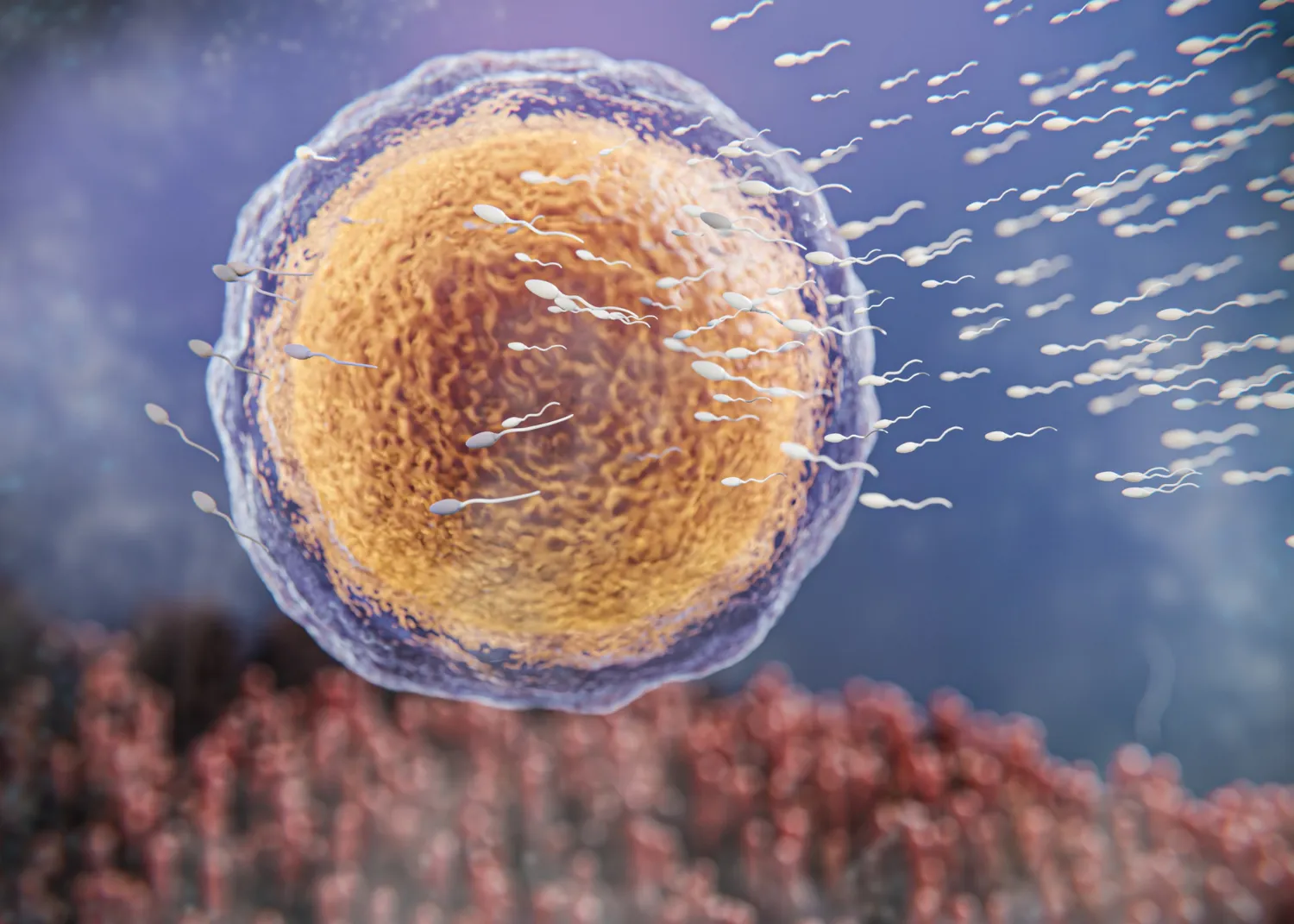
PGT is performed in conjunction with in vitro fertilization (IVF). During an IVF cycle, eggs are retrieved from the ovaries and fertilized with sperm in the laboratory, creating embryos.

Embryo Biopsy

On the third day of embryo development, a small number of cells are safely removed from each embryo for genetic analysis. The biopsy procedure is performed by our skilled embryologists, ensuring minimal disruption to the embryo’s development.

Genetic Analysis

The extracted cells undergo genetic analysis to determine their genetic status for SCD. This analysis can detect the presence of the sickle cell trait or the disease itself, providing crucial information for embryo selection.

Embryo Selection

Based on the genetic analysis results, our team will identify and select embryos free from SCD or carriers of the trait. These selected embryos are then cryopreserved or transferred to the uterus for implantation, depending on your reproductive goals and preferences.

Transfer and Follow-up

If embryos are transferred, our team will guide you through the implantation process. A pregnancy test will be conducted a few weeks after the transfer to determine the success of the procedure. Throughout this journey, we provide ongoing support, guidance, and monitoring to ensure the best possible outcomes.

Expert Advise

While PGT can greatly reduce the risk of having a child with SCD, it is important to note that no medical procedure guarantees a 100% success rate. Consulting with our fertility specialists and genetic counselors will provide you with a comprehensive understanding of the benefits, risks, and limitations of PGT for SCD.

We’re Here for You

Take the First Step Toward a Healthy Pregnancy

Take control of your family’s health and future by considering PGT to avoid Sickle Cell Disease.

Contact our dedicated team today to schedule a consultation and explore the possibilities of PGT in helping you build a healthy and happy family.